



Mosman Who's Who
Public Profile
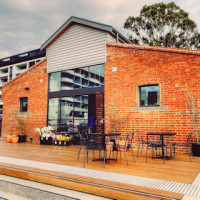
STABLES PROVEDORE CAFE
Dine in the restored historic 'Stables' or outdoors on our deck in the sun.
We're now serving dinner and drinks!
Order breakfast, lunch, dinner and pizzas daily, delivered to your door!
Connect through my public pages
Public information provided by this member.
Share this Portrait
Distinguished and Famous people from Mosman
🎨 Ken Done
Ken Done’s Mosman home and studio have supplied continuing material for his vivid paintings. Harbour water, beaches, gardens and everyday local walks recur within work known far beyond the suburb. He moved from a successful advertising career into full-time painting at forty, with his first solo exhibition in 1980. Council’s account of a later retrospective identifies Mosman as the community where he has lived for much of his life and continued to work. The bright colour is therefore anchored in familiar surroundings, with a local landscape repeatedly revisited rather than merely used once as a scenic backdrop.
🖌️ Arthur Streeton
Arthur Streeton spent periods at Curlew Camp beside Sirius Cove during the 1890s, painting harbour light, boats and the surrounding foreshore. The camp provided an inexpensive working base close to subjects that suited his outdoor practice. His letters recorded planting coral trees to mark its location, a small domestic gesture in a life of artistic movement. Fellow artist Tom Roberts also lived there while maintaining a city studio. Streeton’s Mosman connection is therefore repeated residence and painting on site, part of the practical history behind images that later entered major collections.
📚 Ethel Turner
Ethel Turner lived in Mosman after her marriage, first in a rented cottage and then at Avenel, completed in 1903 overlooking Middle Harbour. Writing shared the days with family, sport and gardening. Her interest in growing things entered The Ungardeners, while travel supplied material for Ports and Happy Havens. The Mosman years followed the earlier composition of Seven Little Australians at Killara, giving each place its own chapter. Avenel was a sustained working home within a literary career whose success did not remove the ordinary pleasures and demands of household life.
📖 Jean Curlewis
Jean Curlewis, Ethel Turner’s daughter, was born in Mosman in 1898 and developed a literary voice distinct from her mother’s. Her novels included The Ship that Never Set Sail and Beach Beyond, with Sydney’s sun and surf entering stories concerned with growing up and the compromises of adult life. She also wrote poems and shorter pieces. Ill health cut the career short, and she died in 1930. Remembering Jean alongside Ethel reveals two writers in one local family, with different imaginative interests rather than a single inherited style.
📖 Dora Birtles
Dora Birtles moved to Mosman with her family in 1944, the year she began research and writing work on The Overlanders. Five months travelling with its Northern Territory film crew helped prepare the novel published in 1946. She later taught at Cremorne Girls’ High School and used an inheritance to build a modern home at Balmoral Beach. Books, journalism, broadcasting and further journeys continued alongside family life. Her Mosman years belong to an active working career, when a home near the sea provided a base for stories and investigations reaching well beyond Sydney Harbour.
📖 Paul Brickhill
Paul Brickhill lived at Balmoral Beach during the later decades of his life, following the extraordinary success of his wartime books. The Great Escape, The Dam Busters and Reach for the Sky had made his name internationally, and all became major films. Later writing proved much harder. At Balmoral he swam, walked and spent time looking out from his flat, living close to the water after years of travel and celebrity. The local association is a substantial later home, including a quieter and more difficult chapter behind the enduring popularity of his books.
📻 George Caiger
George and Nancy Caiger were founding members of a Mosman district welfare group in 1951, seeking alternatives to institutional care for children with disabilities. Their younger son’s diagnosis of Down syndrome had prompted them to look for a different future from institutional care. They helped establish schools and supported accommodation. George’s other work ranged from teaching in Japan and wartime translation to ABC broadcasting and university public relations. The Mosman connection is this shared community effort, in which personal experience helped build services for other families as well as their own.
